The True North EHS, Issue #7

Prefer to listen? Here is the audio companion for this issue.
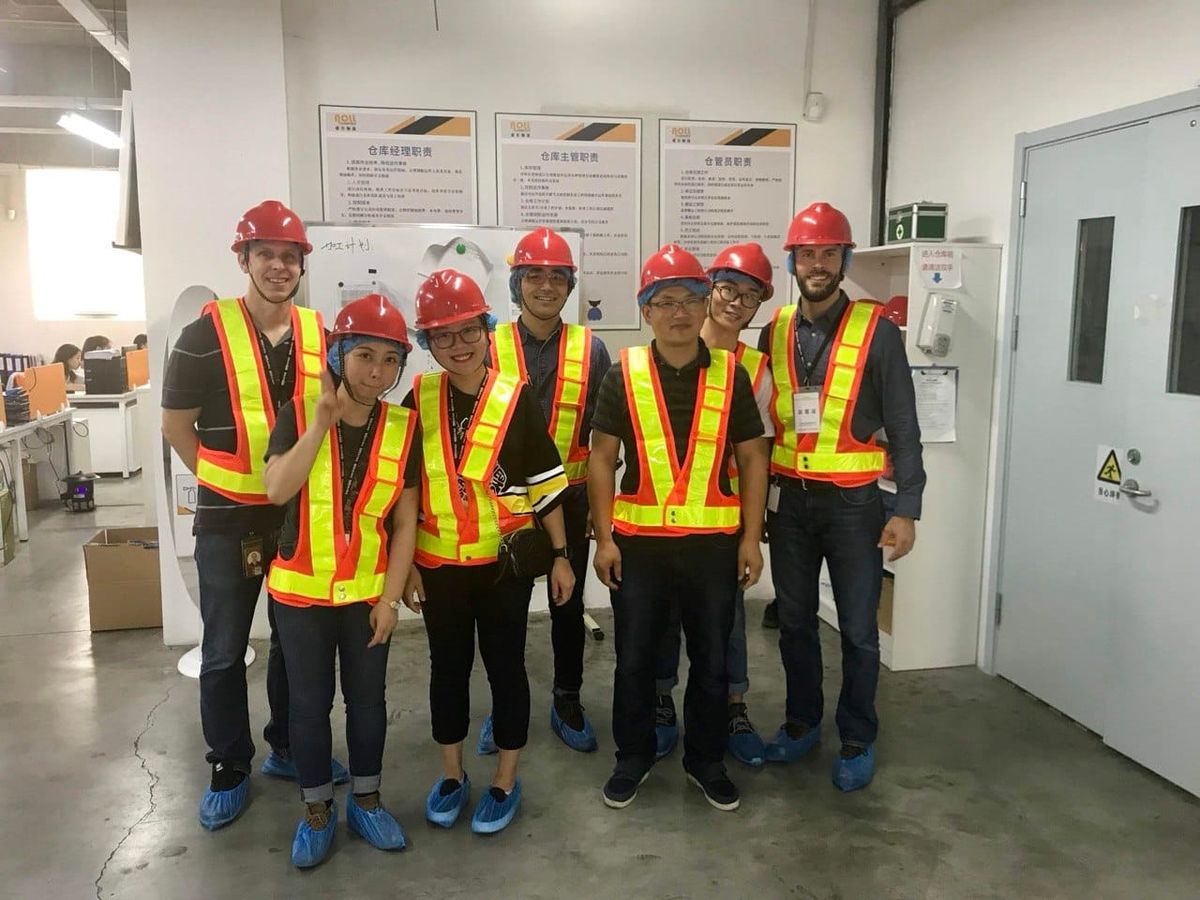
Years ago, I had the opportunity to support and help build Starbucks Roasteries around the world, including Shanghai, Tokyo, Milan, New York, Chicago, and Seattle.
This photo comes from a time when my beard had a lot less gray, but the lesson still holds true: safety communication only works when it fits the people, the workplace, and the culture.
As EHS professionals, we may carry the same standards, the same expectations, and the same core safety principles from site to site, but we cannot assume people are going to receive the message the same way everywhere we go.
The hazard may be the same. The procedure may be the same. But the way people respond to tone, authority, trust, and feedback can vary a lot from one workforce to the next.
I have worked in environments where direct communication works well because people see it as clear and efficient.
I have also worked in environments where that same approach closes people off before the real conversation even starts.
That is why good safety communication is not just about saying the right thing. It is about saying it in a way that actually connects with the people in front of you.
That does not mean we lower the standard.
The standard still matters.
What changes is how we build understanding, buy-in, and action around it.
The best EHS professionals I have worked with know how to read the room before they try to lead the room. They pay attention to how decisions get made, how concerns get raised, who the workforce listens to, and what kind of message is actually going to land in that setting.
Sometimes that means slowing down and asking more questions before giving more direction.
Sometimes it means using better visuals, clearer examples, or more practical demonstrations.
Sometimes it means recognizing that respect, trust, and credibility may look different from one place to the next.
None of that weakens the safety message. It makes it stronger because it gives it a better chance of being heard, understood, and acted on.
Being technically correct is not always enough. If people do not understand the message, believe it applies to them, or know what to do with it, then the communication did not do its job.
Safety does not translate itself.
We have to do that part well.
Practical Takeaway
- Keep the safety standard consistent, but adapt the delivery to the workforce and site culture.
- Learn how concerns are usually raised and who influences the team before pushing a message.
- Use examples, visuals, and local context to make training and expectations easier to absorb.
- Remember that effective communication is not just about clarity. It is also about trust, timing, and credibility.
PPE Spotlight: Cooling PPE and Heat-Stress Gear
This week's PPE spotlight is not one specific product. It is the broader category of cooling PPE and heat-stress gear.
As we move deeper into the summer months, this is a good time to take a closer look at the equipment and accessories that can help workers manage heat exposure more effectively. That may include cooling towels, evaporative neck shades, cooling vests, sun protection, and other heat-stress gear designed to support people working in hot conditions.
Heat stress often gets treated like a weather problem when it is really a work exposure problem. The right gear does not eliminate the risk on its own, but it can support hydration plans, rest breaks, shade strategies, and work planning.
That also makes this a leadership topic. If people are expected to stay productive in high heat, then comfort, usability, and consistency matter. PPE and heat-stress gear only help if crews will actually use them in the field.
One place worth browsing for ideas is Ergodyne's cooling and heat-stress category:
https://www.ergodyne.com/cooling-products
From The True North EHS
After the Incident, Don't Lose the Human While Following the Procedure
Procedure matters, but so does the person sitting across from you after a serious event.
https://www.thetruenorthehs.com/after-the-incident-dont-lose-the-human-while-following-the-procedure/
Dad Joke of the Issue
Camping is an extreme sport.
It's in-tents.
Wherever you are working and whoever you are working with, the goal is still the same: help people understand the risk, trust the message, and know what to do next.
You're receiving this because you subscribed to The True North EHS. Practical safety insight for real-world operations.