The True North EHS, Issue #9

Prefer to listen? Here is the audio companion for this issue.
Welcome back to The True North EHS.
One of the biggest influences on safety performance is usually not the policy, the slogan, or the annual plan.
It is the supervisor.
That is not meant to downplay leadership, systems, or programs. Those things matter. But in the real world, a lot of safety performance gets shaped much closer to the job, in real time, while work is moving and decisions are being made.
I have seen organizations invest heavily in safety programs, training, procedures, messaging, and accountability systems while still struggling to get consistent field performance. Usually the missing link is not more language.
It is front-line leadership.
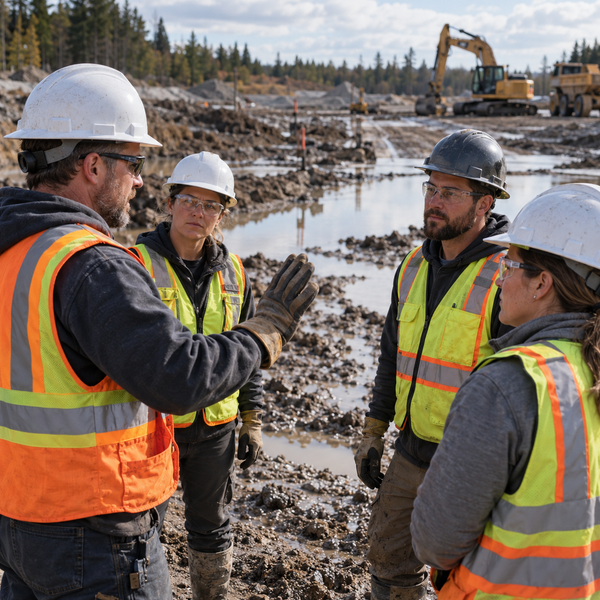
The workforce watches supervisors very closely.
They watch how they react when production is behind.
They watch what happens when a permit takes longer than expected.
They watch how changing conditions are handled.
They watch whether a concern gets respected or brushed aside.
They watch whether a shortcut gets challenged or quietly accepted.
That is when people learn what the real standard is.
Not the written one.
The lived one.
What I have observed is that the strongest supervisors do a few things consistently.
First, they make it safe to speak up. If somebody raises a concern, asks for clarification, or says something does not look right, strong supervisors do not treat that as a nuisance. They treat it as part of doing the work correctly. Weak supervisors create friction around those moments, and once that happens, people learn that silence is easier.
I have seen workers speak up early and prevent bigger problems, but I have also seen people go quiet when they learn that raising concerns creates frustration, embarrassment, or delay.
That principle shows up outside of safety too. In American Icon, Alan Mulally's leadership at Ford is a great example of what can happen when leaders make it acceptable to surface problems instead of hiding them. One of the cultural shifts that helped Ford recover was creating an environment where people could speak honestly about what was not working. That did not weaken performance. It improved it. Problems move faster when people are allowed to admit they exist.
The same is true in the field.
Second, strong supervisors reinforce standards when it is inconvenient. Anybody can talk about procedure when the day is smooth. The real test is what happens when the schedule tightens, the pressure goes up, and following the standard becomes harder. That is where credibility gets built or lost.
I have watched standards hold when the pressure was on, and I have watched them slowly erode one shortcut at a time. Usually that erosion does not begin with a dramatic failure. It starts with small compromises that people convince themselves are harmless.
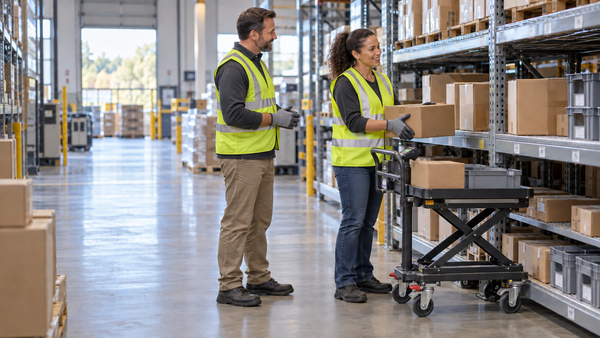
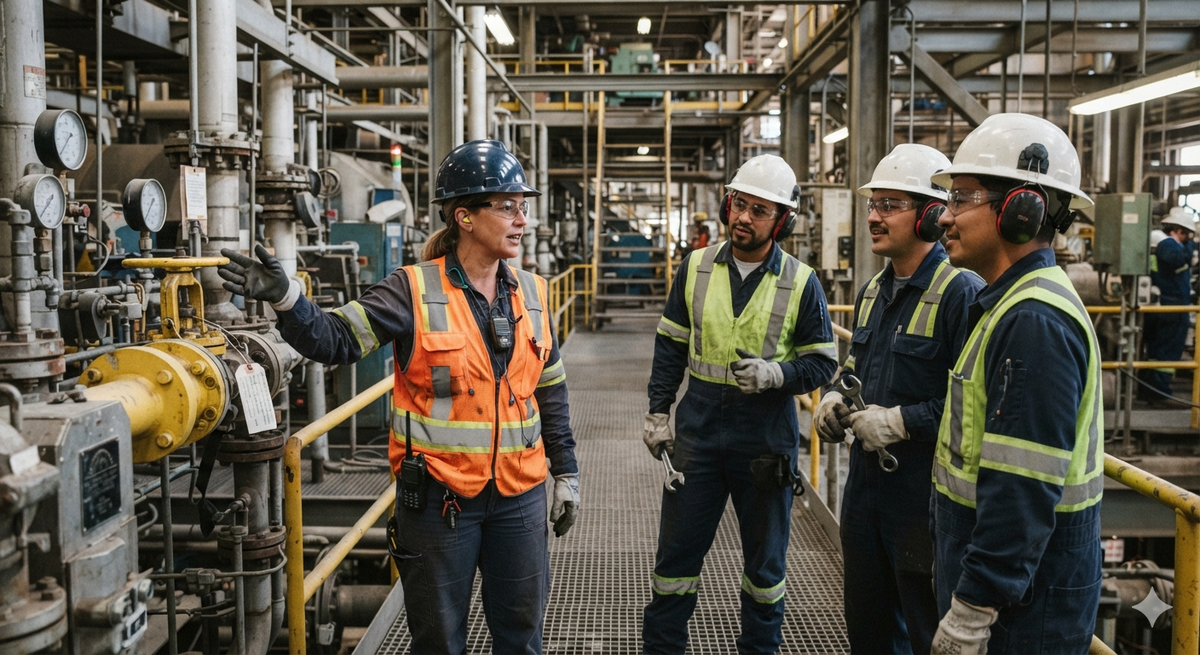
Third, they pay attention to the work, not just the paperwork. Completed forms, signed permits, and pre-job meetings all matter, but they do not guarantee the work is being executed well. Strong supervisors stay connected enough to the actual job to notice drift, confusion, weak communication, and changing conditions before those things turn into incidents.
Fourth, they coach in real time. They do not just say, "Be safe." They reinforce the expectation while the work is happening and tie safety directly to the task in front of the crew.
They say things like, "We need to increase production safely."
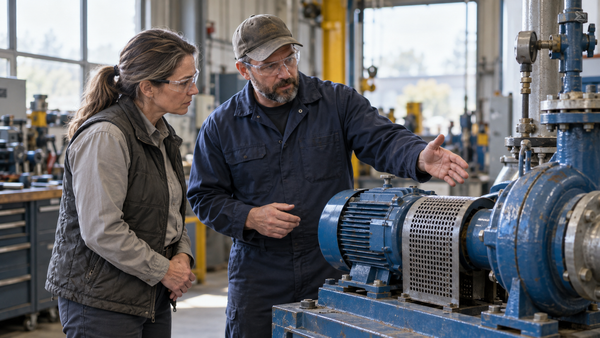
"We need to change this valve safely."
"We need to get this job done safely."
That kind of language matters more than people think. Strong supervisors constantly reinforce that whatever the goal is, it still has to be done the right way. They do not frame safety as something separate from the work. They make it part of the work.
That helps people understand that the expectation is not just to finish the task. The expectation is to finish it safely, with discipline, every time.
And maybe most importantly, they shape what success looks like.
If speed gets praised more than discipline, crews notice.
If shortcuts get ignored as long as the result looks clean, crews notice.
If speaking up, verifying conditions, and holding the line get respected, crews notice that too.
People adapt to the version of success they see rewarded most often.
One thing I know is that crews usually learn the real standard from supervision long before a metric ever tells leadership what is happening.
That is why supervisors have such a large effect on safety performance. They are often the people who turn all the right language into either real control or empty words.
If an organization wants better safety performance, it should pay very close attention to what its supervisors are actually doing when the work gets messy and the pressure goes up.
That is usually where the truth shows up.
PPE Spotlight
This week's PPE spotlight is the 3M E-A-Rsoft Yellow Neons disposable foam earplug.
It is a simple product, but it covers an exposure people tend to underestimate. Hearing loss usually happens slowly enough that workers get used to the noise long before they appreciate the damage. These earplugs are high-visibility, widely recognized, and rated at NRR 33 dB, which makes them a strong option for loud environments when they are fitted correctly. Like most PPE, the gear matters, but the habit matters just as much. Earplugs do not help much if they are hanging out in a pocket instead of being worn properly.
Product link: 3M E-A-Rsoft Yellow Neons
Dad Joke of the Issue
Why don't skeletons fight each other?
They don't have the guts.
Supervisors do more than direct the work. They teach the workforce what the real standard is. If that standard stays strong under pressure, safety performance usually follows.
You're receiving this because you subscribed to The True North EHS. Practical safety insight for real-world operations.