Fatigue Is a Work-Design Problem, Not Just a Sleep Problem
Fatigue takes more than a reminder to get some sleep. Two mine-site experiences show why safer options and the way we organize work matter.

Prefer to listen? Here is the audio companion for this article.
I remember working on a project at a mine site and stopping in to speak with the head of safety. We were sitting there having a conversation when he fell asleep.
I honestly did not know what to do. Do I leave? Do I keep talking?
I made a little coughing sound, and he woke up.
Now, I do not think I am that boring.
I cannot tell you what was behind his tiredness that day. But that moment stayed with me. In an office, it made for an awkward conversation. Behind the wheel, it can be something much worse.
At a mine site where I worked, a driller fell asleep while driving home. He totaled his vehicle and nearly lost his life.
I do not know how many weeks he had been working or how many hours he had put in. What I do remember is that town was about an hour and a half away. That was a substantial drive on top of the work itself.
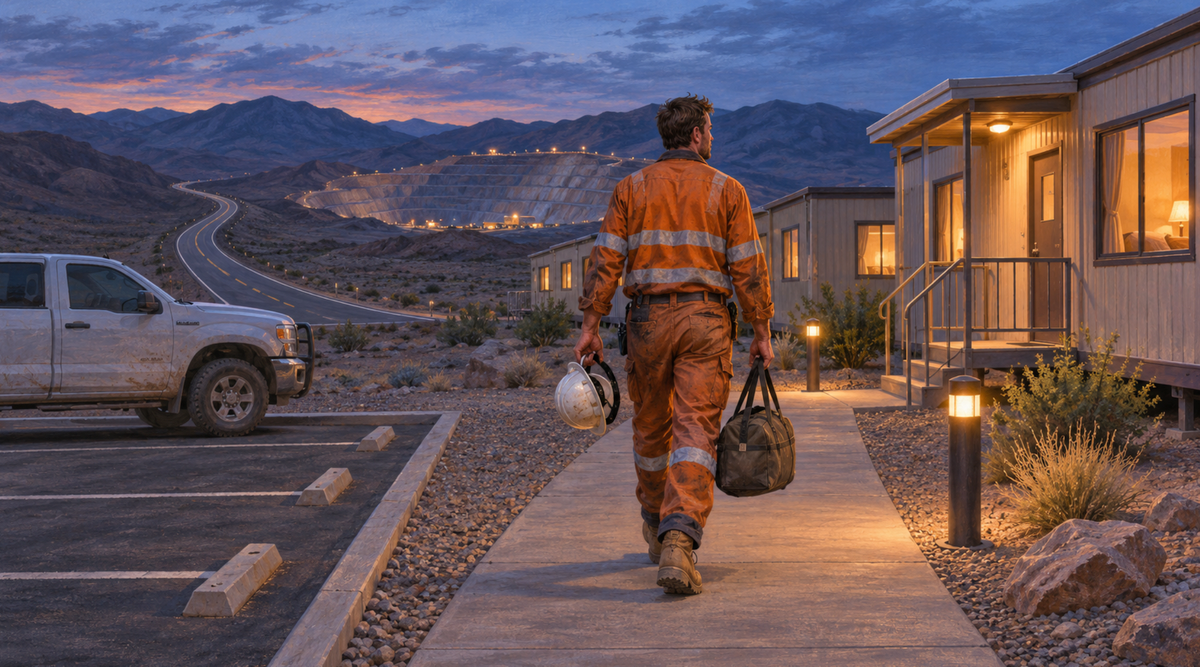
The mine worked with the drilling companies, and we built a man camp so the drillers had somewhere to stay near the site. They no longer had to make that long drive just to get some rest.
We gave them another option.
More than a reminder to get some sleep
That camp did not eliminate the need to manage working hours or pay attention to fatigue. But it addressed a real part of the problem. Less time on the road meant more opportunity to rest and come to work ready for the day.
We did not just tell people to make better decisions. We made a safer decision easier to make.
That is where I think the fatigue conversation sometimes falls short.
We tell employees to go to bed earlier and show up rested. Personal responsibility matters, but so do the schedules, overtime, and travel demands surrounding the job.
People do not clock out and immediately go to sleep. They still need to get home, eat, handle responsibilities, and prepare to come back. Time away from work is not all recovery time.
If the same people are always staying late or covering another shift, we need to look at that pattern. Their willingness to say yes does not automatically mean the arrangement is sustainable.
What options have we given people?
When someone says they are struggling to stay awake, “We are all tired” is not a useful response.
Neither is sending them home without considering whether they can safely make the drive.
We need to understand the concern and have practical options available. Depending on the operation, that might mean relief coverage, a schedule adjustment, transportation, or somewhere to stay.
Not every workplace needs a camp. That was what fit our situation. The lesson is to look at what is making recovery difficult and address the parts we can influence.
The driller’s crash nearly cost him his life. What stayed with me was the response afterward: the mine and the drilling companies worked together to change the options people had.
Sometimes the most useful thing we can do is not give someone another reminder. It is give them a safer option.