After the Incident, Don't Lose the Human While Following the Procedure

Prefer to listen, here is the audio companion for this article.
There are incidents you never really forget.
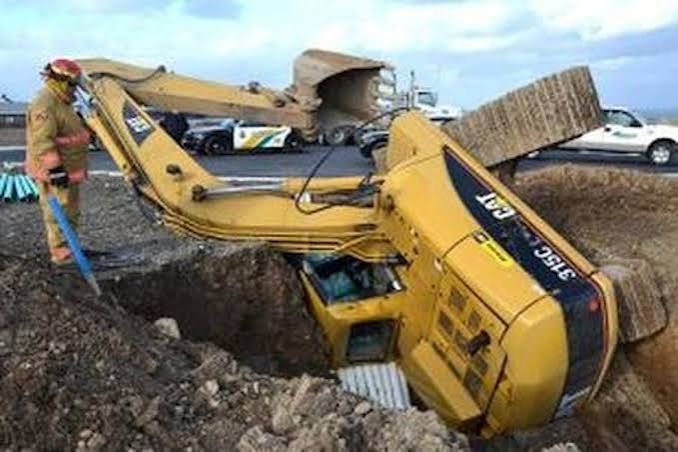
One that has stayed with me happened during a trenching job where two excavators were digging a trench about 10 feet deep across a roadway to install HDPE piping.
The excavators were working toward each other. As one side neared completion, one operator told the other he could finish the remaining section, then turned and left. Moments later, the remaining excavator lost traction, slid into the excavation, and pinned the cab against the trench wall.
The operator later said he could feel the cab slowly crushing in around him.
A dozer working nearby responded quickly and pushed against the cab to relieve some of the pressure from the excavator's own weight. Mine rescue arrived and freed the operator using the jaws of life. The cab was crushed so badly that he could not get his leg out with his shoe on and had to remove the shoe just to get free.
When MSHA came out to investigate, one of the questions asked was whether the employee had been seriously injured or had even survived the incident. That is how severe the cab damage was.
Thankfully, he did survive.
Like many organizations, we had a requirement to begin the investigation within 24 hours after a serious incident. So the next day, we reached out to the employee and asked him to come to the mine site so we could complete the investigation and root cause analysis.
What stood out to me was that he was still visibly shaken.
That moment reinforced something I think safety professionals and leaders need to remember: policies, procedures, rules, and timelines matter, but so does the human element.
An investigation completed on time is not automatically an investigation handled well.
Yes, we need to gather facts while they are fresh. Yes, we need to understand what happened, why it happened, and how to keep it from happening again. But when the person involved is still processing trauma, pain, confusion, or fear, we have to take that into account.
That does not mean we ignore the need to investigate. It means we approach the procedure with judgment, empathy, and respect.
Too often, safety processes become so focused on compliance and timelines that we forget the person sitting across from us may still be replaying the event in their mind.
In significant incidents, the quality of the investigation is not just about how quickly we start. It is also about how thoughtfully we handle the people involved.
The goal is not simply to satisfy a procedural requirement. The goal is to learn, improve, and prevent the next incident without losing sight of the human being at the center of the last one.
Processes matter, and timely investigations matter. But good leadership also requires us to recognize when the person involved is still carrying the weight of what happened.
If we want better investigations, better learning, and better outcomes, we cannot separate the procedure from the person.
The human element is not a distraction from the investigation. In many cases, it is central to doing it well.
That is something every leader, supervisor, and investigator should remember. We are not just gathering facts after an incident. We are dealing with people who may still be carrying the physical and emotional impact of what they just lived through.
If we lose sight of that, we may still complete the procedure, but we will miss part of what it means to do the job well.
Timeliness matters.
But humanity matters too.