Before You Call It Complacency, Ask What Became Normal

Prefer to listen? Here is the audio companion for this article.
By Bryan Barker | The True North EHS
After an incident, “they got complacent” can sound like an answer. Someone got comfortable, lost focus, or took a shortcut on a familiar job. The response seems straightforward: review the procedure, remind the employee, and tell the crew to pay attention.
My problem with that explanation is not that people never lose focus. Of course they do. My problem is how much it can leave unexplained while still sounding like we got to the bottom of something.
Before we settle on complacency, I want to know what had become normal long before the incident happened.
When the exception becomes the standard
Think about a task where the instructions do not quite match the conditions. An experienced employee finds a way to keep the job moving. The work gets completed, nobody gets hurt, and the mismatch remains unresolved.
Over time, that adjustment can become the accepted method. Other employees learn it. Supervisors become familiar with it. Eventually, the organization stops questioning something it might never have approved as a new way to do the job.
Not every adjustment is unsafe. Field judgment matters, and no procedure anticipates every condition. But there is a difference between making a sound adjustment and depending on people to compensate for a weak control every time they do the work.
That distinction can get lost when the results keep looking good. We start mistaking the skill of the person for the reliability of the process. Change the employee, the conditions, or the pressure, and the weakness becomes visible.
When something finally goes wrong, asking why the employee accepted the risk is fair. But the next question matters just as much: how long had the organization been accepting it?
Accountability has to include the decisions behind the work
I believe in accountability. Employees have responsibilities, standards matter, and knowingly bypassing a critical control deserves serious attention. Understanding a decision does not mean excusing it.
But an investigation cannot stop with the person performing the task. Who planned the work? Was the right equipment available? Had concerns been raised? What happened when someone slowed down or stopped to get it right?
The supervisor’s response matters. If raising a concern brings irritation or pressure to keep moving, that becomes part of what the crew learns about the real expectation. We cannot examine the employee’s decision honestly while ignoring the decisions and expectations surrounding it.
To me, this is not a choice between individual responsibility and organizational responsibility. A useful investigation examines both. Otherwise, we risk holding one person accountable for a practice the operation had quietly come to rely on.
What will actually change?
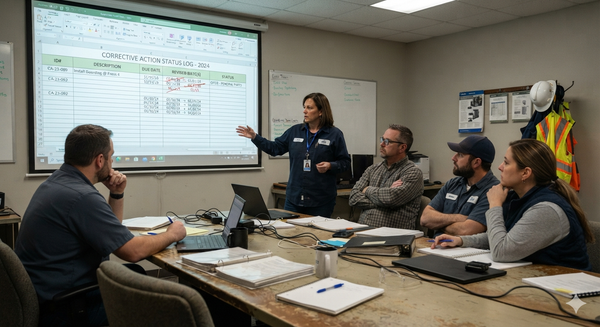
This connects to something I keep coming back to in EHS: doing something is not the same as fixing something. A briefing or a signed training record proves an action happened. It does not, by itself, prove the exposure changed.
Before closing an investigation, I want to understand what specifically happened, whether it was common across other crews, and what made that approach seem workable at the time. Calling it complacency does not answer those questions.
Last week, I wrote about the lesson behind “Don’t worry about falling off. Worry about staying on.” The same question belongs here: what needs to go right? If our answer is simply “pay more attention,” we have not clearly defined the conditions and controls people need to do the job safely.
That gives us a practical test after an incident: what will be different when the task starts again?
If the equipment was the problem, address the equipment. If the expectation was unclear, clarify it and verify understanding. If production pressure was undermining the standard, leadership has work to do. The response should follow the findings, not default to another reminder to be careful.
Then go back into the field and verify the change holds up during normal work, after the extra attention surrounding the incident has faded.
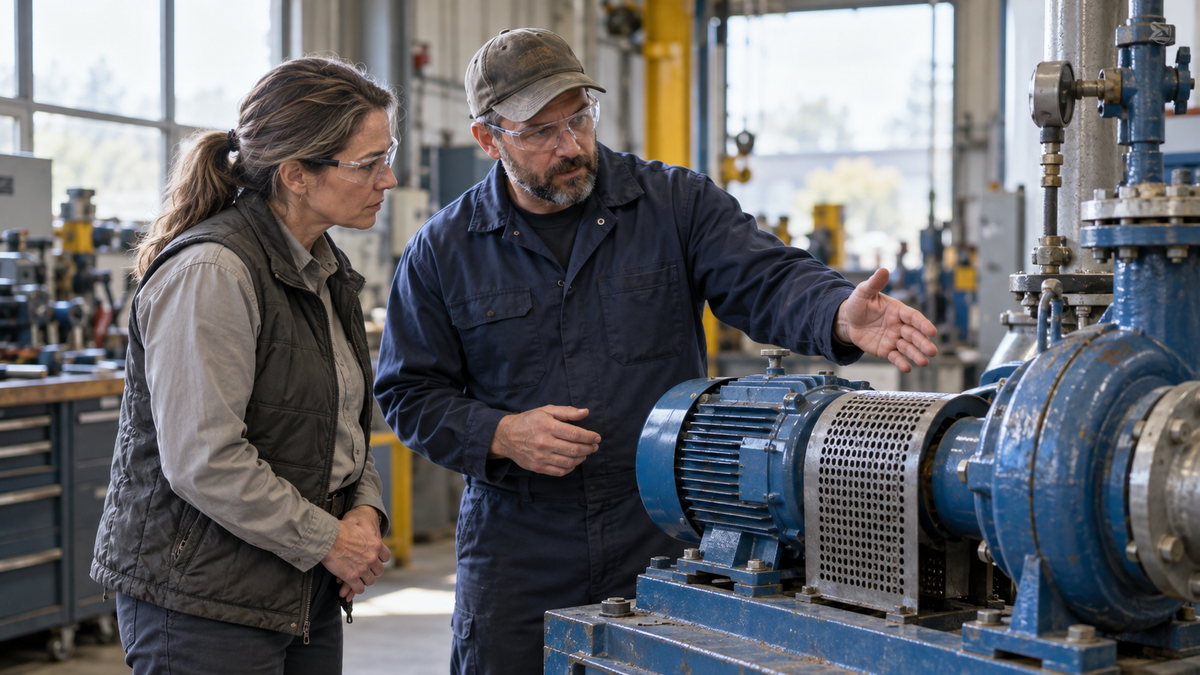
Better yet, start before someone gets hurt. Ask the people doing a familiar task, “What do you have to work around to get this job done?” Listen before defending the procedure. Their answer may identify a weakness that a completed form or a successful shift never revealed.
I am not arguing that complacency should never be discussed. I am arguing that it should never let us stop asking questions. Examine the behavior, but do not confuse naming it with understanding what made it possible.
The incident may be new. The conditions behind it may not be.
Before we tell people to stop getting comfortable, we should find out what we have become comfortable accepting.