Your Housekeeping Is Showing

I can tell a lot about your safety program before I ever read a single procedure, review an injury log, or sit through a tailgate meeting. All I have to do is walk your facility.
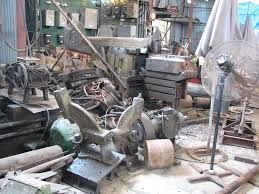
If your floors are cluttered, your aisles are blocked, your tools are wherever someone last dropped them, and your spill from Tuesday is still there on Friday, I already know what I need to know. Your safety program is mediocre. Not because of bad intentions. Not because nobody cares. But because mediocre housekeeping and mediocre safety come from the same place: a leadership culture that's made peace with "good enough."
And if your facility is clean, organized, and maintained, if materials are stored where they belong, walkways are clear, equipment is put away, and your employees treat the space like it matters, that tells me something too. It tells me you've got standards. Real ones. The kind people actually follow.
Housekeeping isn't a housekeeping issue. It's a culture issue.
The Standard You Set Is the Standard You Get
Here's the thing about a cluttered work environment: nobody woke up one day and decided to let it get that way. It happened gradually. One box left in the aisle. One spill that got walked around instead of cleaned up. One tool that never made it back to the rack. And at every step, someone in a position of authority saw it, and said nothing.
That silence is a decision. It communicates to every employee on that floor that the standard is optional. And once a standard becomes optional, it stops being a standard.
The same dynamic plays out everywhere else in your safety program. If you're OK with a blocked exit, you're probably OK with an expired extinguisher. If you're OK with oil on the floor, you're probably OK with a frayed cord. If you're OK with your employees working in chaos, you're probably OK with them taking shortcuts. None of it exists in isolation.
What you walk past becomes the standard. And your housekeeping is the most visible, most honest reflection of the standards you've actually set, not the ones in your written program, but the ones you enforce every single day.
What Good Housekeeping Actually Looks Like
This isn't about white-glove perfection or spending half your shift cleaning instead of working. It's about systems and habits that keep a workplace functional, safe, and organized consistently.
In a facility where housekeeping and safety are aligned, you'll typically see:
- Designated places for everything, and everything in its place at the end of a shift
- Aisle markings respected, not treated as suggestions
- Spills addressed immediately, not flagged with a cone and forgotten
- Tools and equipment stored properly after use, not parked wherever was convenient
- Waste managed throughout the day, not piled up until it becomes a hazard
- Employees who take ownership of their immediate work area without being told
That last one is the real tell. When workers take pride in their space without a supervisor standing over them, you've built something. That's not compliance. That's culture.
The Honest Diagnostic
If you want a fast, honest read on where your safety culture actually stands, don't start with your TRIR. Don't start with your last audit score. Walk your facility first thing on a Monday morning, or at the end of a Friday afternoon shift, when nobody's had time to clean up for the inspection.
What you see is what you've built.
If it's organized and clean, your people have internalized the standard. That's a safety program that has a real foundation.
If it's a mess, you've got work to do, not just with a mop and a broom, but with your supervisors, your expectations, and your own willingness to hold the line on what's acceptable.
The good news is that housekeeping is fixable. It doesn't require new equipment, a regulatory change, or a consultant. It requires a decision: we are not OK with mediocre. And then it requires leaders at every level to back that decision up every single day, one blocked aisle and one unaddressed spill at a time.
Your housekeeping sets the standard for everything else. If you're OK with a messy facility, you're telling your workforce, and yourself, that mediocre is acceptable. And a mediocre safety program is just a matter of time.
Set the standard higher. Then hold it.
Bryan Barker is an EHS professional with experience across global construction, mining, general industry, global manufacturing, semiconductor, distribution, global retail, data centers, and energy. True North EHS provides practical safety insight for real-world operations.