The Power of Field Level Risk Assessment (FLRA)


Prefer to listen? Here's the podcast-style audio companion for this article.
Listen to audio companion
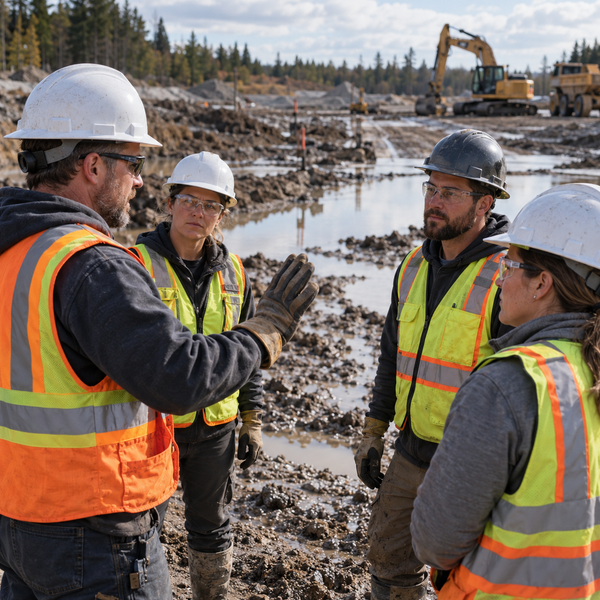
In 2009, while working at a mining site, our team faced significant challenges due to last time injuries. We had more than we wanted and did not like our results, so we decided to change our approach. Out of this necessity, we developed the Field Level Risk Assessment (FLRA) card, a tool designed to empower workers to assess their risks and reinforce the importance of safety.
Development of the FLRA Card
The FLRA card was crafted to guide employees through a thoughtful process at the beginning of each workday. Each card posed key questions: What am I doing today? What could go wrong? How can I correct it? and Who am I working safely for? The purpose of these questions was not merely to identify hazards but to encourage employees to reflect on their personal motivations. Employees often noted reasons like wanting to be present at their grandkids birthday or ride their Harley Davidson, reframing safety within the context of what truly matters in their lives.
Implementation and Impact
As the FLRA cards became integrated into our daily routines, a remarkable cultural shift began to unfold. Employees routinely filled out the cards based on their planned activities, conducting risk assessments before any work began. The simplicity of this tool allowed for immediate and tangible engagement with safety practices.
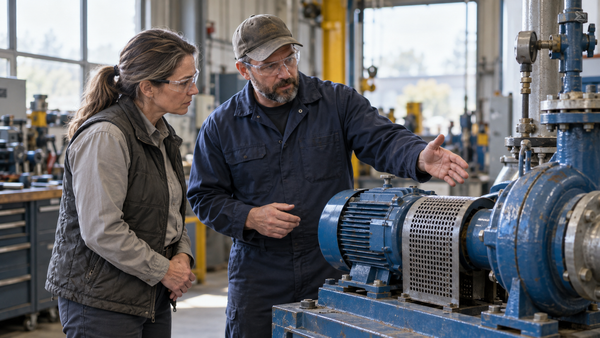
One of the most rewarding aspects of this initiative was seeing workers take the initiative to ask colleagues about their FLRA cards. Maintenance would inquire about operational assessments, and vice versa. This cross-departmental communication not only helped identify potential hazards but also created a culture of shared responsibility and collective accountability.
Recognition of Safety Culture
Our commitment to safety did not go unnoticed. In 2009, we were honored to receive the Sentinels of Safety Award, the highest recognition bestowed by the Mine Safety Health Administration for operations that exemplify safety. This award was a testament to the hard work and dedication of everyone involved and underscored the connection between thorough risk assessment, hazard identification, and achieving excellence in safety.
Conclusion
Reflecting on that experience, the essence of the FLRA program was not merely about filling out a card; it was about reinforcing a safety culture that began with individual motivation and expanded into a collective ethos. Focusing on what matters most in our lives, our families, our dreams, while consistently evaluating our safety practices is crucial for creating a safer working environment.
I encourage organizations to adopt similar practices to enhance their safety culture. It is not just about procedural adherence; it is the lived experience of making safety personal and relevant to daily work.