What Exactly Are We Celebrating?

Prefer to listen, here is the audio companion for this article.
I have seen this happen more than once.
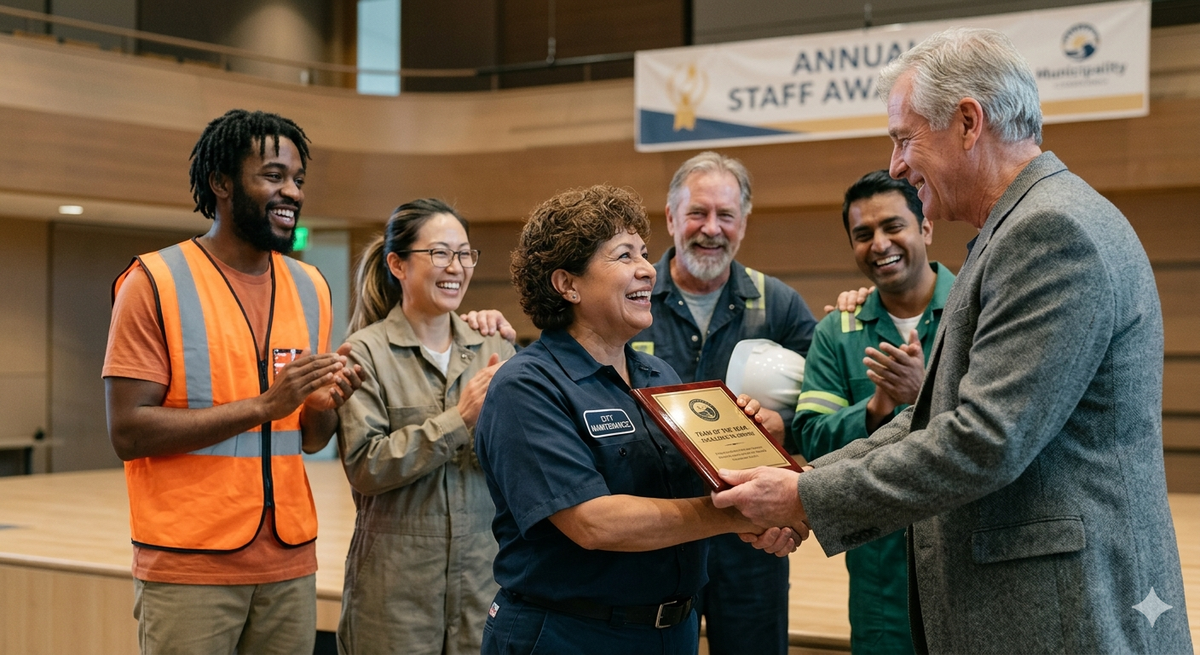
A maintenance team is given a job that should take several days. The work gets finished early. Leadership is pleased. People get recognized. The team gets praised for hustling, knocking it out, and getting the operation back online ahead of schedule.
On the surface, that sounds like a win.
Sometimes it is.
But sometimes nobody stops to ask the question that matters most:
What exactly are we celebrating?
Are we celebrating strong planning, good coordination, and skilled execution?
Or are we celebrating skipped steps, rushed decisions, weak verification, and a result that only looked successful because nobody examined how it got done?
That is a leadership issue more than a maintenance issue.
Because whether leaders mean to or not, what they praise teaches people what matters most.
Results can hide bad behaviors
Most organizations are comfortable rewarding outcomes.
Finished early.
Under budget.
No downtime.
No complaints.
Those things are easy to measure, easy to announce, and easy to celebrate.
The problem is that outcomes do not always tell you whether the work was done well.
I have seen jobs finish early because people worked efficiently and safely.
I have also seen jobs finish early because people cut corners, skipped checks, ignored small problems, failed to isolate energy correctly, rushed permitting, or pushed through issues that should have stopped the job.
The result may look the same on paper.
The behaviors underneath it are not the same at all.
People learn from what gets rewarded
Workforces pay close attention to what leadership notices.
If the only thing leaders respond to is speed, people learn that speed is what matters.
If leaders celebrate getting the job done but never ask how it was done, people learn that the method matters less than the result.
If someone raises a concern that slows the work down and gets treated like the problem while the crew that powers through gets praised, the lesson becomes even clearer.
That is how organizations unintentionally train the wrong behaviors. Nobody says, "Take shortcuts." Nobody says, "Do not speak up." Nobody says, "We care more about production than safe execution." But if those are the behaviors that get rewarded, protected, or ignored, that is still the message people receive.
Negative behaviors leaders may be promoting without realizing it
This is the part many leaders miss. When we celebrate the wrong things, we may be reinforcing behaviors that weaken the operation over time.
- skipping steps because the team knows nobody will check
- treating permits, verifications, or lockout steps like obstacles instead of controls
- hiding problems to preserve the appearance of success
- staying quiet about concerns so nobody gets blamed for delays
- rewarding the crew that finishes fastest instead of the crew that executes with the most discipline
- normalizing rework, close calls, or degraded conditions as long as production keeps moving
That kind of culture does not usually fall apart all at once. It drifts. People watch what gets praised, then they adapt. Over time, the organization starts producing the exact behaviors it claims it does not want.
Speed is not the enemy, blind praise is
This is not an argument against efficiency. There is nothing wrong with a team performing well, finishing early, and doing excellent work. Strong planning, good coordination, and technical skill should absolutely be recognized.
But leadership has to know what it is praising.
That means asking better questions before celebrating the result.
Was the job planned well?
Were the hazards identified and controlled?
Were the right steps followed even under pressure?
Did someone speak up about a concern, and if they did, how was that handled?
Did the team finish early because they worked well, or because they quietly accepted more risk than leadership realizes?
Those are very different stories.
The real issue is what the culture is learning
Every recognition moment teaches something. It teaches what gets noticed, what gets repeated, and what people have to do if they want to be seen as successful in that organization.
If the lesson is that safe, disciplined work matters, that is a strong culture signal.
If the lesson is that optics matter more than execution, the organization will eventually pay for that.
Maybe not today. Maybe not on the job that got praised. But eventually. Because weak signals tend to compound before they become visible consequences.
A better leadership habit
Before recognizing the result, pause long enough to understand the method.
Ask what made the job successful.
Ask what controls held.
Ask what nearly went sideways.
Ask whether the way the work got done is something you would want repeated across the rest of the operation. If the behavior behind the result is not something you would want scaled across the whole business, it is probably not something you should be celebrating.
The takeaway
Recognition is not neutral.
It shapes culture.
What leaders praise today becomes what more people will repeat tomorrow.
So before celebrating the early finish, the fast turnaround, or the impressive result, stop and ask:
What exactly are we celebrating?
If the answer is discipline, planning, ownership, and safe execution, great. Celebrate it.
If the answer is shortcuts dressed up as performance, then the recognition is not helping.
It is teaching the organization to confuse speed with excellence.
And that is a lesson that usually gets expensive.
Practical Takeaway
- Do not praise results without understanding the behaviors behind them.
- Ask how the work was done before using it as an example for others.
- Recognize teams for disciplined execution, not just fast completion.
- Watch for signals that people are hiding risk to protect the appearance of success.
- Remember that what leaders celebrate becomes part of the culture.